

Explore further
Les Ateliers Varan : 30 years of resistance, par Jean-Louis Comolli
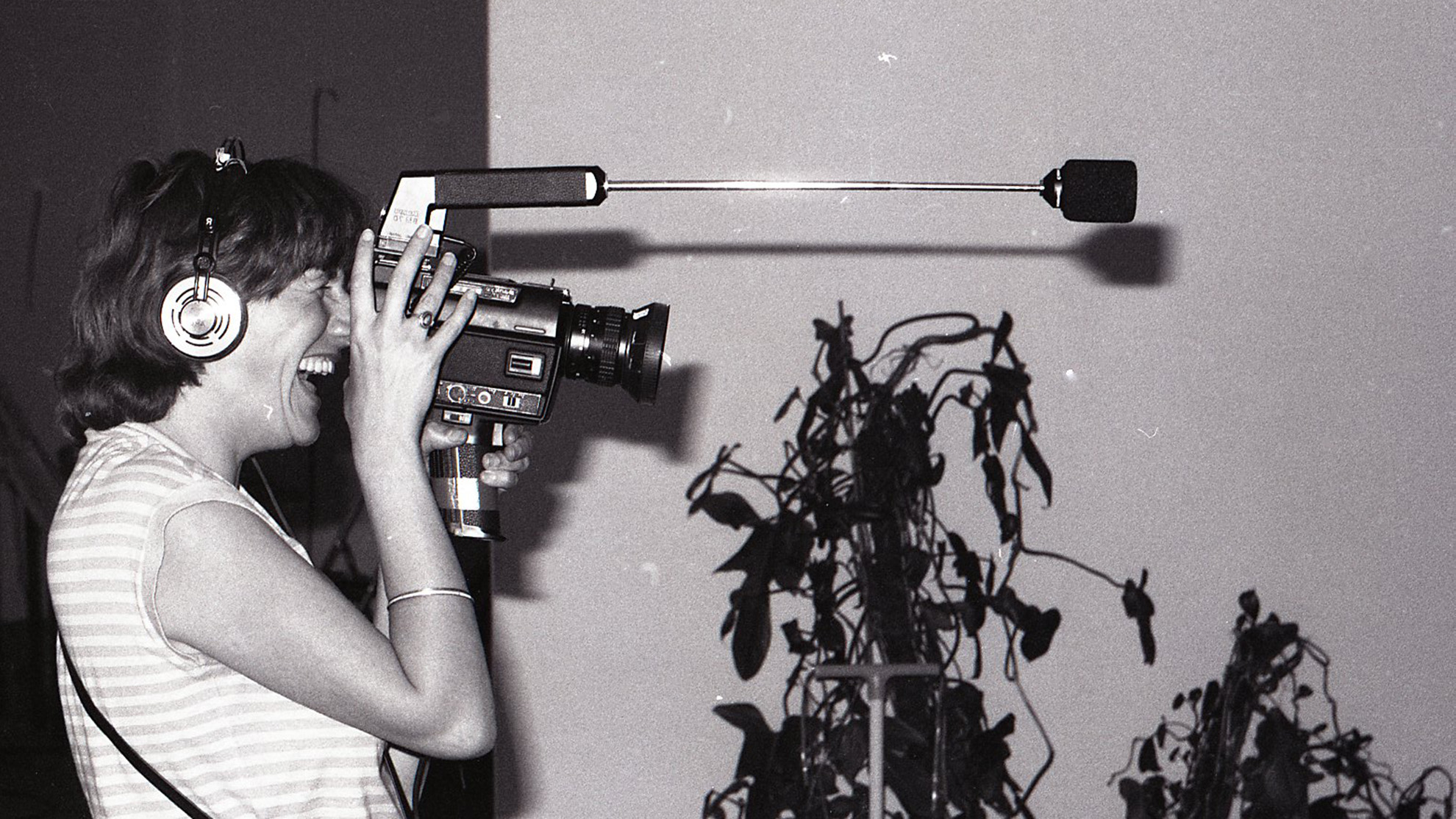
“Long before so many film schools were set up in the four corners of the world, and at a time when a cinema of autonomy, known as "light", "direct", a cinema, in short, very artisanal, in 16mm and synchronous direct sound, was being experimented with, and when Jean Rouch, Jean-Luc Godard and Pierre Perrault, and John Cassavetes and Eric Rohmer, to name but a few, had been filming in this way for ten or fifteen years, the Ateliers Varan took on the mission of training not only young filmmakers from all over the world, but of training them to become trainers themselves.
The singularity of Varan lies first and foremost in this happy loop that links learning and practice. Some of us have taught in film schools and at the same time doubted that cinema could ever be taught in any other way than by practicing it.
Making films is also about thinking about cinema, and understanding cinema involves the films we make and the films we see. With today's mini-cameras, with ultralight digital video, with developments in sound recording, the reference to "direct cinema" has become so obvious and even "natural" that we should be concerned about distancing the cinema of the field, that of Varan, from the ways of doing audiovisuals as they triumph in the media. To go into the field, yes, but above all to stay there long enough for this field to change us, to change the idea we might have had of it before sharing the experience, that is to say before it was itself changed by the fact of welcoming a film crew with its machines. The shooting that is done on a large scale for filmed magazines, reports and news programs may be "light", but it is above all hurried. What we see today on public screens is made of shavings, peelings of the real world. The show does not suffer from waiting, it is unbearable. The Show must go on.
At Ateliers Varan, we enter the world delicately, we care about it, we confront the other, we want to make a pact with him that commits us too. As Chronos devoured his children, the news, the "news", destroys all real life and all real practice. The cinema of the field, the one we insist on calling "documentary", is above all a cinema of relationships - and relationships are constructions that engage presences, people, lives, and therefore durations and patiences. The speaking beings that are filmed are changed to the extent of the part they play in this film. At the same time they give themselves to it and, trying to shape their experience of life, their worries or their dreams into a filmed form, they participate in the cinematographic operation as such, in what could be said to be the accession of experience to a form of cinema, in other words a form that can be exchanged and transmitted, not sterile. It's all there: the media overwhelm us with words without address or heritage.
At Ateliers Varan, we learn every day that we are filming in a history of cinema and that we are addressing our equals. I am tempted to say that there is no substantial difference between the school of life and the school of cinema, except that today we are caught up in a world of spectacles and that making images and sounds is undoubtedly the best way of finding ourselves in it, I mean of not losing ourselves in it.”
Jean-Louis Comolli
March 22nd, 2012
Ask Us
Questions about our training courses? Please contact us 01 43 56 64 04
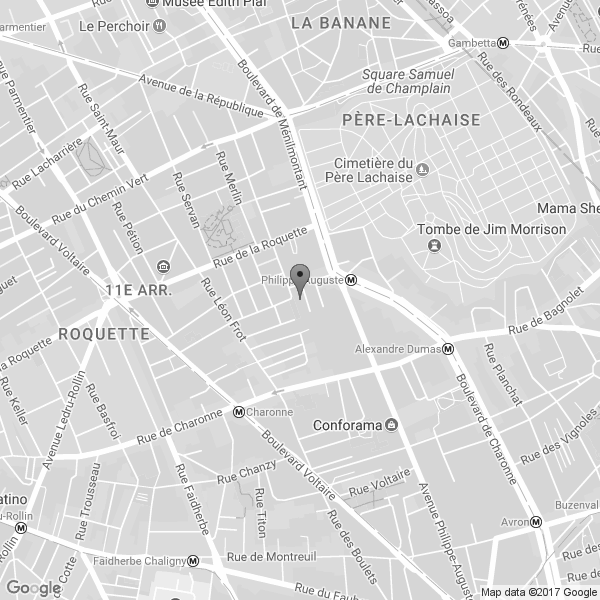
6, impasse de Mont Louis
75011 Paris